
Modular Generative Networks
What are Modular Generative Networks?
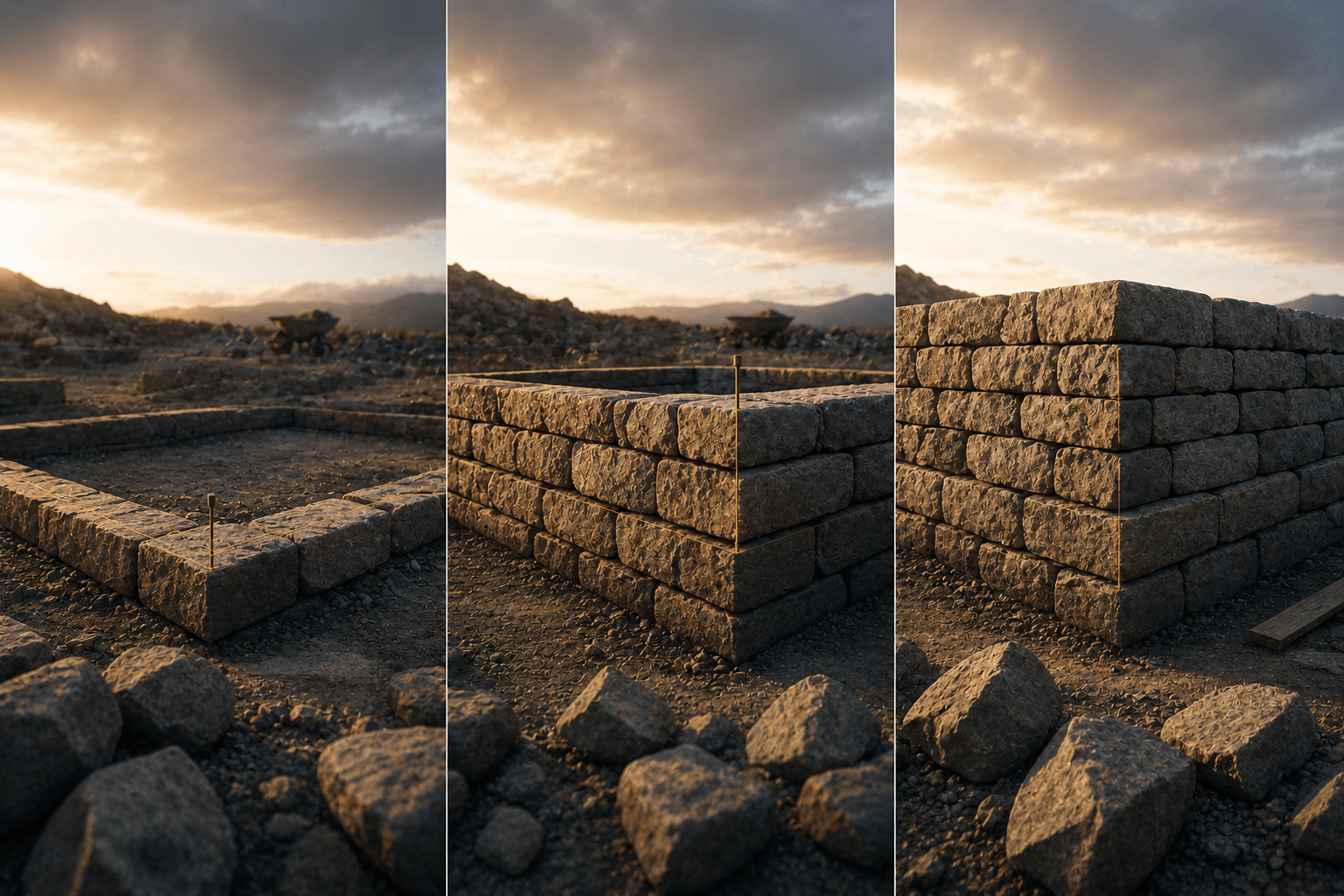
Modular Generative Networks are a class of AI architectures designed with modular components that can be independently trained and combined for specific tasks. These networks allow for flexibility, scalability, and reusability by enabling models to adapt to different generative tasks without being entirely rebuilt.
Why is it Important?
Modular Generative Networks promote efficiency by allowing developers to reuse and repurpose model components for new tasks. They reduce computational overhead, simplify training, and facilitate scalability in AI systems, making them ideal for complex applications like text-to-image synthesis, audio generation, and multitask learning.
How is This Metric Managed and Where is it Used?
These networks are managed by dividing complex tasks into modules, each trained to perform a specific function. They are then integrated into a larger framework for cohesive task execution. Modular generative networks are used in creative AI, gaming, virtual reality, and autonomous systems to enable adaptable, resource-efficient generative processes.
Key Elements
- Independent Modules: Self-contained components specializing in specific generative tasks.
- Interoperability: Modules can integrate seamlessly into various generative frameworks.
- Scalability: Handles increasing task complexity by adding or modifying modules.
- Task-Specific Optimization: Allows for targeted fine-tuning of individual components.
- Efficiency: Reduces redundancy by reusing trained modules across multiple applications.


Real-World Examples
- Text-to-Image Generation: Combines text understanding modules with image synthesis components.
- Multimodal AI: Integrates audio, text, and visual generation modules for cohesive outputs.
- Gaming: Generates dynamic environments and characters using specialized generative modules.
- Virtual Reality: Crafts immersive virtual worlds with modular scene and object generation.
- Robotics: Produces adaptable task-specific generative models for various operations.
Use Cases
- Creative AI: Facilitates artistic creations by combining different generative modules.
- Multitask Learning: Enables a single system to perform diverse generative tasks efficiently.
- Data Augmentation: Generates synthetic data for training models in specific domains.
- Personalized Content: Produces user-specific outputs by fine-tuning relevant modules.
- Adaptive AI Systems: Modifies generative capabilities dynamically based on task requirements.
Frequently Asked Questions (FAQs):

What are Modular Generative Networks?
These are AI systems composed of independent modules that can be combined and reused for various generative tasks.
Why are Modular Generative Networks important?
They promote scalability, efficiency, and adaptability in AI design by enabling task-specific optimization and component reuse.
How do Modular Generative Networks work?
They divide generative tasks into modules that are independently trained and integrated into a larger framework.
What industries use Modular Generative Networks?
Industries like gaming, virtual reality, robotics, and creative AI utilize these networks for scalable and adaptive generative solutions.
What tools support Modular Generative Networks?
Frameworks like TensorFlow, PyTorch, and modular AI libraries support their development and integration.
Are You Ready to Make AI Work for You?
Simplify your AI journey with solutions that integrate seamlessly, empower your teams, and deliver real results. Jyn turns complexity into a clear path to success.