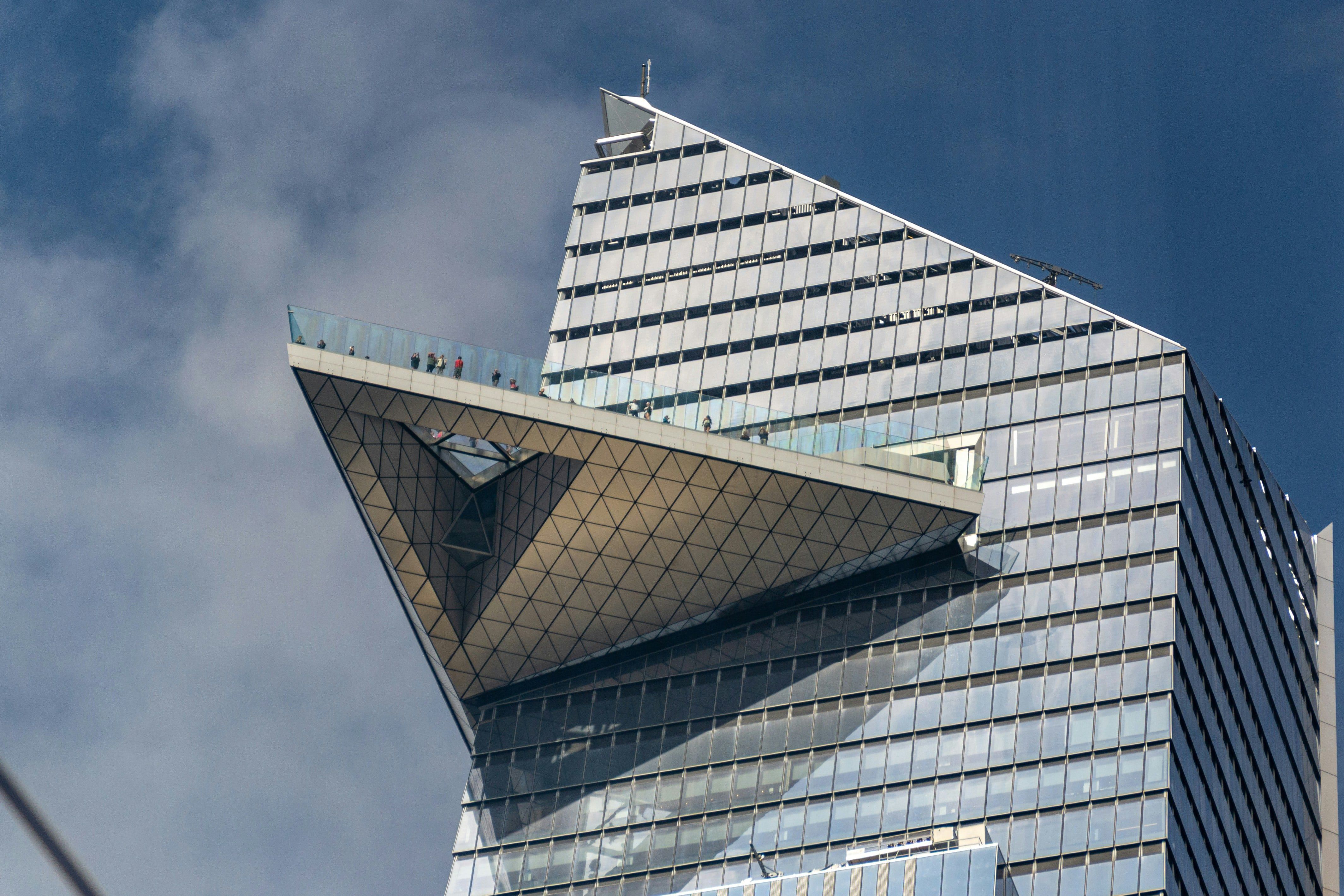
AI Scene Generation
What is AI Scene Generation?
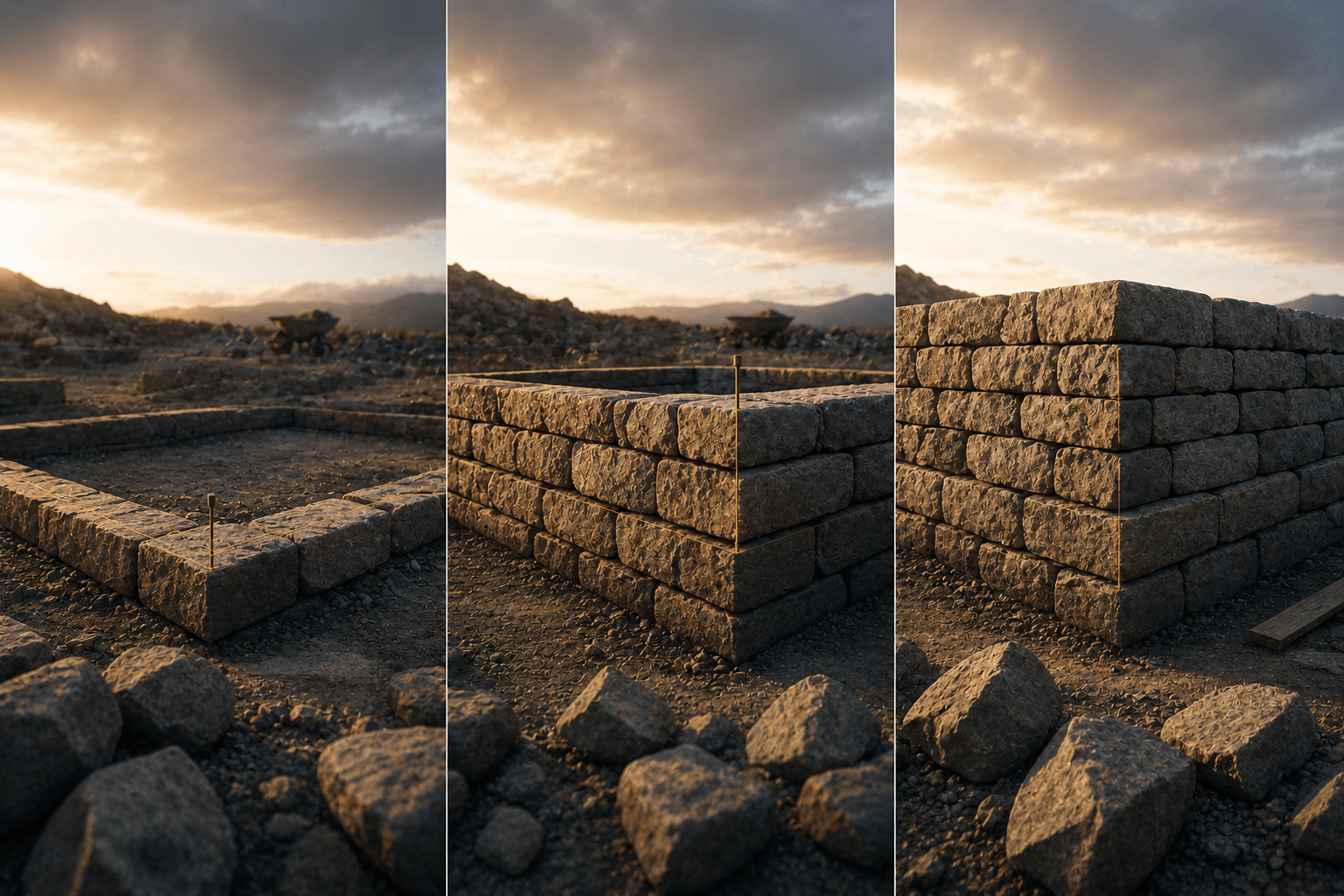
AI Scene Generation is the process of using artificial intelligence to automatically create visual, 3D, or animated scenes based on text prompts, sketches, or predefined parameters. These AI-driven models utilize deep learning techniques to render realistic or stylized environments, making them invaluable for game design, film production, virtual reality, and creative content generation.
Why is it Important?
AI Scene Generation is revolutionizing creative industries by automating scene creation, reducing production time, and enhancing creativity. It is important because it:
- Speeds Up Content Creation – Generates complex scenes within seconds.
- Enhances Realism – Uses AI to create detailed textures, lighting, and physics-based elements.
- Reduces Production Costs – Minimizes the need for manual modeling and rendering.
- Personalizes Virtual Worlds – Adapts scenes dynamically based on user input or AI-generated scripts.
- Enables Accessibility – Allows non-designers to create professional-quality scenes.
How is it Managed and Where is it Used?
AI Scene Generation utilizes machine learning models trained on vast datasets of environments, textures, and 3D assets. It is widely used in:
- Gaming & Game Development – Procedural world-building and environment generation.
- Film & Animation – AI-assisted VFX and automated set design.
- Virtual Reality (VR) & Augmented Reality (AR) – Creating immersive environments in real-time.
- Architecture & Interior Design – AI-powered room and landscape visualizations.
- Marketing & Advertising – AI-generated scenes for digital campaigns and product showcases.
Key Elements
- Generative Adversarial Networks (GANs): AI models that create highly realistic scenes.
- Neural Rendering: Uses deep learning to enhance photorealistic textures and lighting.
- Procedural Generation: Dynamically generates game levels, terrains, and cities.
- Physics-Based Rendering (PBR): Ensures accurate lighting, shadows, and reflections.
- Text-to-Scene AI: Converts text descriptions into AI-generated environments.

Real-World Examples
- Unreal Engine’s AI Tools: AI-powered world-building for video games.
- NVIDIA Omniverse: AI-assisted 3D design and simulation platform.
- Runway ML: AI-generated video backgrounds and dynamic environments.
- DALL·E & Stable Diffusion: AI models that generate 2D scene illustrations from text.
- Meta’s AI Scene Synthesis: AI-created virtual spaces for metaverse applications.
Use Cases
- Game Level Design – AI-generated environments for open-world gaming.
- Movie Previsualization – Creating quick 3D previews for film production.
- AI-Generated Virtual Worlds – Personalized VR experiences based on user preferences.
- Automated Set Design – AI-enhanced scene composition for studios.
- Marketing Campaigns – AI-generated product placement in digital ads.
Frequently Asked Questions (FAQs):

How does AI Scene Generation work?
AI Scene Generation uses **deep learning models**, such as **GANs and neural rendering**, to create **photorealistic or stylized environments** from text, images, or datasets.
Can AI generate interactive game environments?
Yes, AI can **dynamically create game levels**, characters, and landscapes, allowing for **procedural game design and real-time world adaptation**.
Is AI-generated scene creation customizable?
Absolutely! AI-generated scenes can be **edited, refined, and modified** using **input parameters, sketches, or real-time feedback**.
What industries benefit the most from AI Scene Generation?
AI Scene Generation is widely used in **gaming, filmmaking, architecture, VR/AR development, and advertising**, enabling faster and more cost-effective content creation.
Can Conversational AI handle multilingual conversations?
Yes, many Conversational AI platforms support multilingual capabilities to engage users in their preferred languages.
Are You Ready to Make AI Work for You?
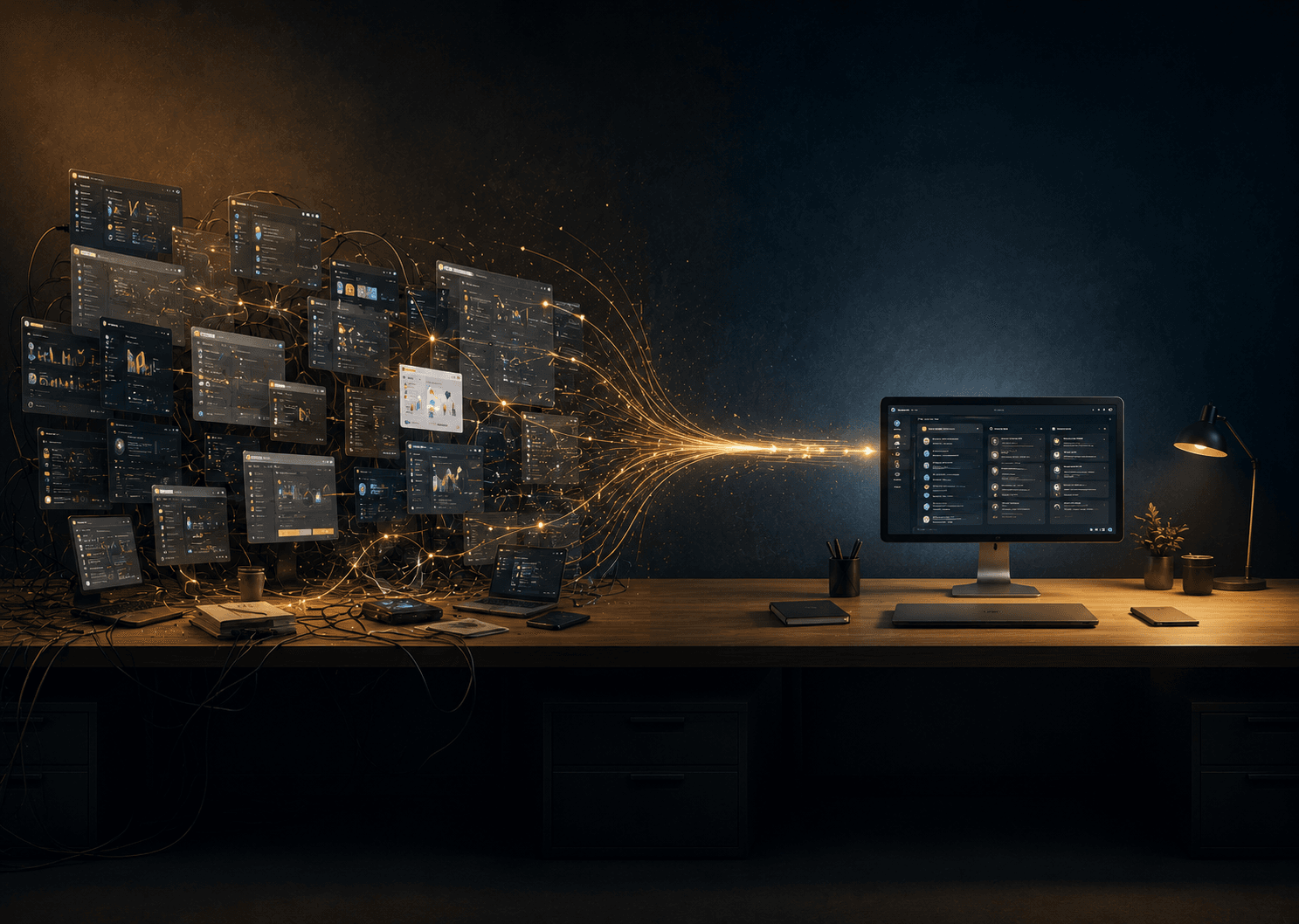
Simplify your AI journey with solutions that integrate seamlessly, empower your teams, and deliver real results. Jyn turns complexity into a clear path to success.